Losing an erection during sex: causes, what you can do and when to see a doctor
The studies and sources we used are listed at the end. Not reviewed by a doctor. Editorial policy
It goes soft partway through. Once it has happened, it is easy to worry it will happen again. Losing an erection is one form of ED. Here are the common causes, what you can do yourself and who to talk to.
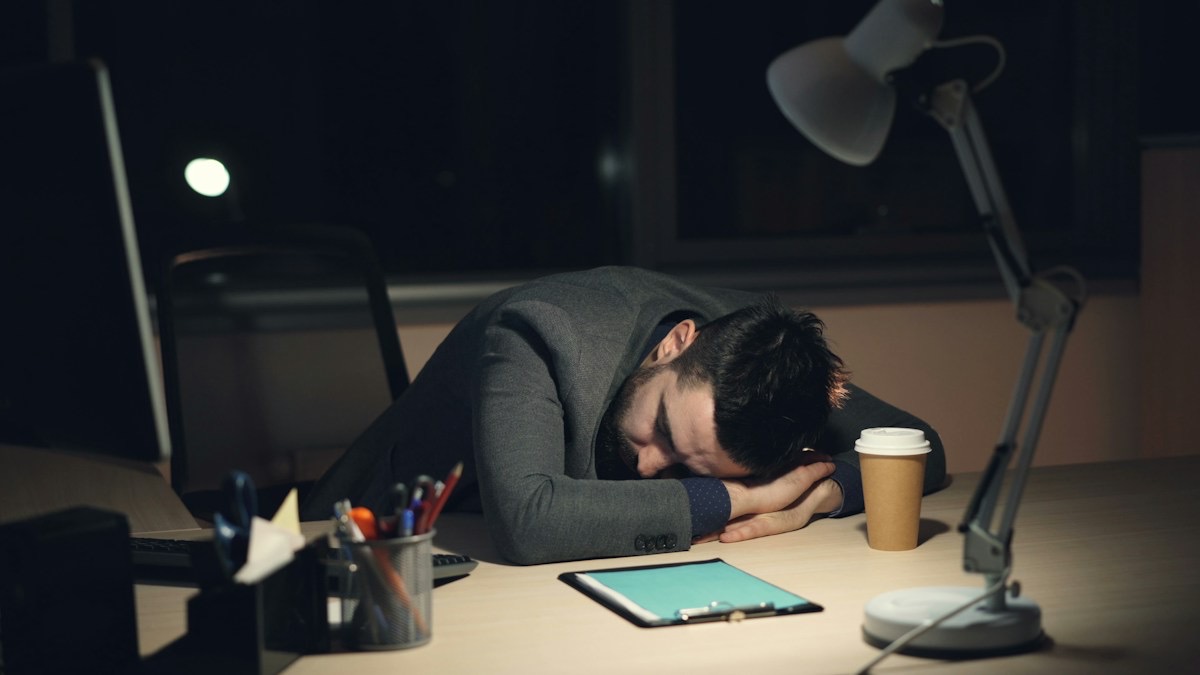
Losing an erection during sex means being unable to keep it, and it is one form of ED. The causes fall into two groups: in-the-moment factors such as nerves, alcohol and tiredness, and physical factors such as blood vessels, muscles and age. It happening now and then is common; if it keeps happening, that is a reason to see a doctor. Pelvic floor training, aerobic exercise and weight loss have been studied as things you can do yourself.
Contents
What it means
ED is usually described as being unable to get or keep an erection firm enough for satisfying sex. Going soft before, during or after penetration falls under the second part: not being able to keep an erection.
Two kinds of causes
ED is often grouped as psychological, physical or mixed. For losing an erection, it helps to sort the causes into two groups so you can pick what fits you.
In-the-moment factors
- Nerves, pressure, or worry because it went wrong last time
- Too much alcohol
- Tiredness or too little sleep
- A break in stimulation, for example while putting on a condom
Physical factors
- Conditions that affect blood vessels, such as high blood pressure, diabetes and high cholesterol
- Smoking, belly fat and too little exercise
- Changes in blood vessels and muscles with age
- Side effects of medicines
When a physical cause makes erections harder to keep, worry that "it will go again" can pile on and make the moment harder too (the mixed type). Knowing which group sounds closer is a good first step. The 1-minute self-check can help you sort it out.
The muscles that keep an erection
An erection lasts while blood stays in the penis. The ischiocavernosus and bulbospongiosus muscles at the base of the penis, part of the pelvic floor, are thought to help by squeezing to slow blood from draining away.
- Method
- Daily squeezes lying, sitting and standing, taught by a physiotherapist
- Compared with
- A group that only received lifestyle advice
- Caveat
- A small study with professional guidance
Try the squeeze now with the free 1-minute Kegel timer. No sign-up or app needed.
What you can do in the moment
- Go easy on alcohol: too much makes erections harder to keep. On a night that matters, decide your limit in advance.
- Don't push it when tired: lack of sleep and fatigue play a part. Another day is a perfectly good option.
- Don't rush: an erection that fades can come back with more stimulation. Worrying that it will fail again makes it more likely.
- Talk to your partner: taking things slowly, without making penetration the only goal, takes the pressure off for many men.
Habits you can work on
For physical causes, these longer-term approaches have been studied:
- Pelvic floor training: squeeze for 3 to 5 seconds and relax for the same time, 10 times, 3 times a day. The study above ran for 3 months.
- Aerobic exercise: in a review of exercise and ED studies (Gerbild et al., 2018), many used moderate to vigorous exercise for 40 minutes, 4 times a week, for about 6 months.
- Weight and diet: in a trial of 110 men with obesity (Esposito et al., 2004), 31% of the group coached for 2 years to lose weight through diet and exercise had erectile function scores in the normal range, against 5% of the comparison group.
- Quitting smoking: smoking strains blood vessels and is a known cause of ED.
Men in their 20s and 30s
Losing an erection is not just something that happens to older men. In younger men, in-the-moment factors such as nerves, pressure, tiredness and alcohol often play a part, but a physical condition can also be behind it. If it keeps happening, see a doctor whatever your age.
When to see a doctor
See a urologist, men's health clinic or your doctor if it keeps happening, started suddenly, if morning erections have almost stopped, if you have diabetes, high blood pressure or high cholesterol, or if you have chest pain or shortness of breath. ED can be a sign of heart or blood vessel disease. Doctors commonly prescribe tablets that help erections (PDE5 inhibitors), and some clinics offer online consultations.
FAQ
Is losing an erection during sex a form of ED?
ED covers both not getting and not keeping an erection firm enough for satisfying sex, so losing it partway through is included. If it only happens now and then, after drinking or on a tiring day, that is common. If it keeps happening or started suddenly, talk to a urologist or your doctor.
Can men in their 20s and 30s lose their erection during sex?
Yes. In younger men, the moment often plays a part: nerves, pressure, tiredness, too little sleep or alcohol. But a physical condition can also be behind it, so if it keeps happening, see a doctor whatever your age.
Can exercise or lifestyle changes help with ED?
Aerobic exercise (around 160 minutes a week), pelvic floor training, and diet plus exercise to lose weight have all been studied. In a randomized trial of 110 men with obesity (Esposito et al., 2004), about a third of the lifestyle group had erectile function scores in the normal range after 2 years. ED can also be an early sign of heart or blood vessel disease, so have a doctor check the cause first.
References
- Dorey G, et al. Randomised controlled trial of pelvic floor muscle exercises and manometric biofeedback for erectile dysfunction. Br J Gen Pract. 2004;54(508):819-825. pmc.ncbi.nlm.nih.gov/articles/PMC1324914/
- Gerbild H, et al. Physical Activity to Improve Erectile Function: A Systematic Review of Intervention Studies. Sex Med. 2018;6(2):75-89. doaj.org/article/91eb296258654277ba5cb0268ced6754
- Esposito K, et al. Effect of lifestyle changes on erectile dysfunction in obese men: a randomized controlled trial. JAMA. 2004;291(24):2978-2984. search.pedro.org.au/search-results/record-detail/11354