Foods and erectile function: what research says about diet and ED
The studies and sources we used are listed at the end. Not reviewed by a doctor. Editorial policy
Plenty of foods are said to boost virility. Which of them have actually been studied? Here is each food, the research behind it and how far it goes.
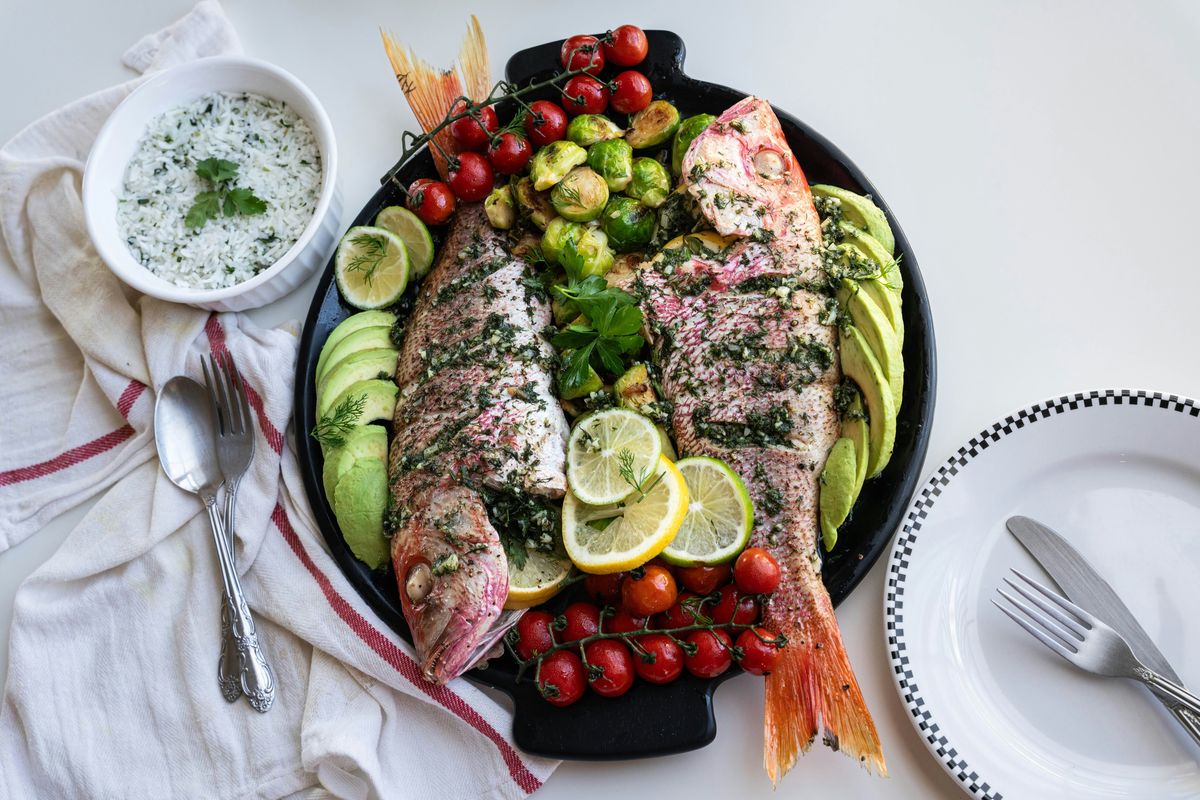
No food has been shown to boost erections on its own. What research links to erectile function is an eating pattern: lots of vegetables, fruit, beans, nuts, fish and olive oil (the Mediterranean diet). In a US study of about 21,000 men, men under 60 whose diet was closest to this pattern had 22% less ED. Getting your everyday meals right fits the research better than eating large amounts of one food.
Contents
The foods at a glance
"Strong" evidence means controlled trials or large long-term studies; "limited" means mostly small studies, or studies in animals or of blood flow only.
| Food (nutrient) | What studies found | Evidence |
|---|---|---|
| Mediterranean-style diet (vegetables, beans, fish, olive oil) | Less ED in men eating this way; in a 2-year trial, more men had good erectile function scores | Strong |
| Berries and citrus fruit (flavonoids) | About 10% less ED in men who ate the most | Moderate (observational) |
| Pistachios and other nuts (arginine, fats) | Scores rose in a small pistachio study; no difference in a controlled trial of healthy young men | Limited |
| Oysters, red meat, nuts (zinc) | Linked to male hormone in men low in zinc; no proof that more helps men who already get enough | Limited |
| Watermelon, melon (citrulline) | A small study of citrulline supplements reported firmer erections in mild ED; almost no studies of the foods | Limited |
| Beetroot, spinach (nitrate) | Lower blood pressure in many studies; almost no studies on ED itself | Strong for blood pressure, limited for ED |
| Garlic and other traditional "virility" foods | Long-standing reputation, but hardly any studies on ED or erections | Almost none |
Start with the whole diet
- Method
- Compared a group coached to switch to a Mediterranean diet (35 men) with a group given only general dietary advice (30 men)
- Found
- After 2 years, 13 men (37%) in the Mediterranean group had erectile function scores of 22 or more, against 2 men (7%) in the comparison group
- Caveat
- A small trial at one center in Italy, limited to men with metabolic syndrome
In a study that followed 21,469 US men for about 11 years (Bauer et al., 2020), men under 60 whose diet was closest to the Mediterranean pattern were 22% less likely to develop ED than those furthest from it. Erections depend on blood flowing into the narrow vessels of the penis, so a diet that is good for blood vessels is thought to matter for erections too.
Fruit and vegetables
In a study that followed 25,096 US men for 10 years (Cassidy et al., 2016), men who ate the most anthocyanins (found in blueberries and other berries) and flavanones (found in oranges and other citrus) were about 10% less likely to develop ED than men who ate the least. Men who eat more fruit may also differ in other habits such as exercise, so this cannot be put down to fruit alone.
Nuts
In a study where 17 men with ED ate 100 g of pistachios a day for 3 weeks (Aldemir et al., 2011), erectile function scores went up, but there was no comparison group. In a controlled trial where healthy young men ate walnuts, almonds and hazelnuts every day (Salas-Huetos et al., 2019), there was no difference in erectile function. It is realistic to treat nuts as one part of a good diet.
By nutrient
- Zinc: plenty in oysters, beef and liver. Low zinc has been linked to lower male hormone (Prasad et al., 1996).
- Citrulline and arginine: amino acids found in watermelon, melon, meat, fish and soy. They play a part in widening blood vessels. A small study of 24 men with mild ED reported firmer erections with citrulline supplements (Cormio et al., 2011).
- Nitrate: found in beetroot and leafy greens such as spinach. The body turns it into nitric oxide, which widens blood vessels; it has been linked to lower blood pressure (Siervo et al., 2013).
Before thinking about supplements, look at how much you get from food. Supplements are food products and are not a substitute for treatment.
What to cut back on
- Heavy drinking: it makes erections harder in the moment and, over time, affects male hormones and nerves.
- Lots of processed meat, fried food and sugary drinks: these affect weight, blood sugar and blood vessels.
- Smoking: not a food, but it damages blood vessels and is strongly linked to ED.
When to see a doctor
If the problem continues after changing your diet, or erections suddenly became harder, see a urologist, men's health clinic or your doctor. ED can be a sign of diabetes, high blood pressure or heart disease. If a health check has flagged your blood sugar or cholesterol, raise that at the same time.
FAQ
Which foods are good for erections?
Research points to the overall pattern of what you eat rather than any single food. A long-term study found less ED in men whose diet was close to the Mediterranean pattern: lots of vegetables, fruit, beans, nuts, fish and olive oil, and little red or processed meat.
Are nuts good for ED?
In a study where 17 men with ED ate 100 g of pistachios a day for 3 weeks, erectile function scores went up, but there was no comparison group. In a controlled trial where healthy young men ate mixed nuts every day, there was no difference in erectile function.
Are there foods that boost sexual performance?
No food has been shown to boost erections on its own. What research links to erectile function is an eating pattern close to the Mediterranean diet, and diet plus exercise to lose weight. Getting your everyday meals right fits the research better than relying on oysters or any other single food.
Should I take supplements for erections?
Ingredients such as arginine and citrulline have been studied, but large, reliable studies are few, and supplements are not a substitute for medicine. If you do take one, choose a product with clearly labeled ingredients and amounts, and avoid unlicensed medicines or products whose contents are unclear.
References
- Bauer SR, et al. Association of Diet With Erectile Dysfunction Among Men in the Health Professionals Follow-up Study. JAMA Netw Open. 2020;3(11):e2021701. jamanetwork.com/journals/jamanetworkopen/fullarticle/2772916
- Esposito K, et al. Mediterranean diet improves erectile function in subjects with the metabolic syndrome. Int J Impot Res. 2006;18(4):405-410. www.nature.com/articles/3901447
- Cassidy A, Franz M, Rimm EB. Dietary flavonoid intake and incidence of erectile dysfunction. Am J Clin Nutr. 2016;103(2):534-541. www.urotoday.com/recent-abstracts/men-s-health/erectile-dysf
- Aldemir M, et al. Pistachio diet improves erectile function parameters and serum lipid profiles in patients with erectile dysfunction. Int J Impot Res. 2011;23(1):32-38. naturalmedicinejournal.com/journal/pistachio-nuts-and-erecti
- Salas-Huetos A, et al. Effect of nut consumption on erectile and sexual function in healthy males: a secondary outcome analysis of the FERTINUTS randomized controlled trial. Nutrients. 2019;11(6):1372. nutritionfacts.org/video/mixed-nuts-put-to-the-test-for-erec
- Prasad AS, et al. Zinc status and serum testosterone levels of healthy adults. Nutrition. 1996;12(5):344-348. pubmed.ncbi.nlm.nih.gov/8875519/
- Cormio L, et al. Oral L-citrulline supplementation improves erection hardness in men with mild erectile dysfunction. Urology. 2011;77(1):119-122. pubmed.ncbi.nlm.nih.gov/21195829/
- Siervo M, et al. Inorganic nitrate and beetroot juice supplementation reduces blood pressure in adults: a systematic review and meta-analysis. J Nutr. 2013;143(6):818-826. doi.org/10.3945/jn.112.170233